What is a catenary system?
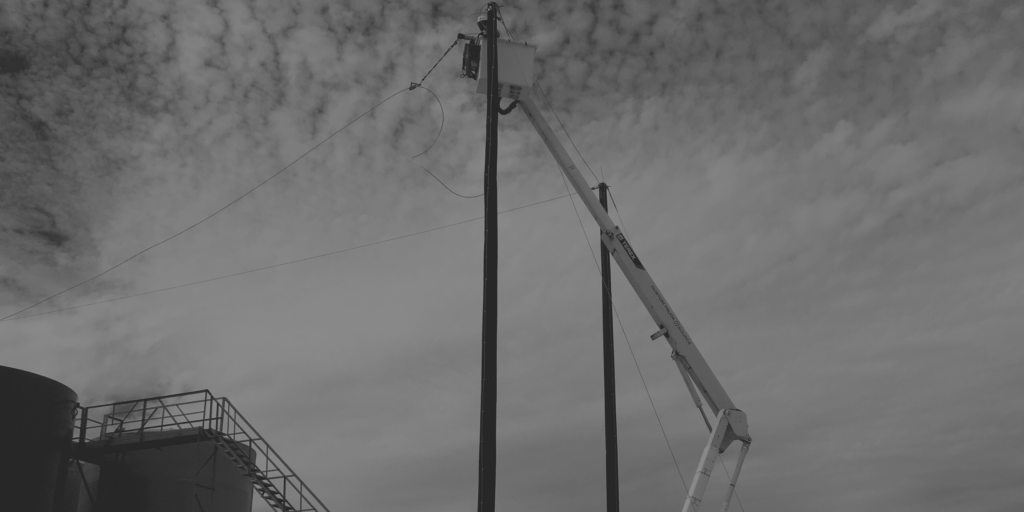
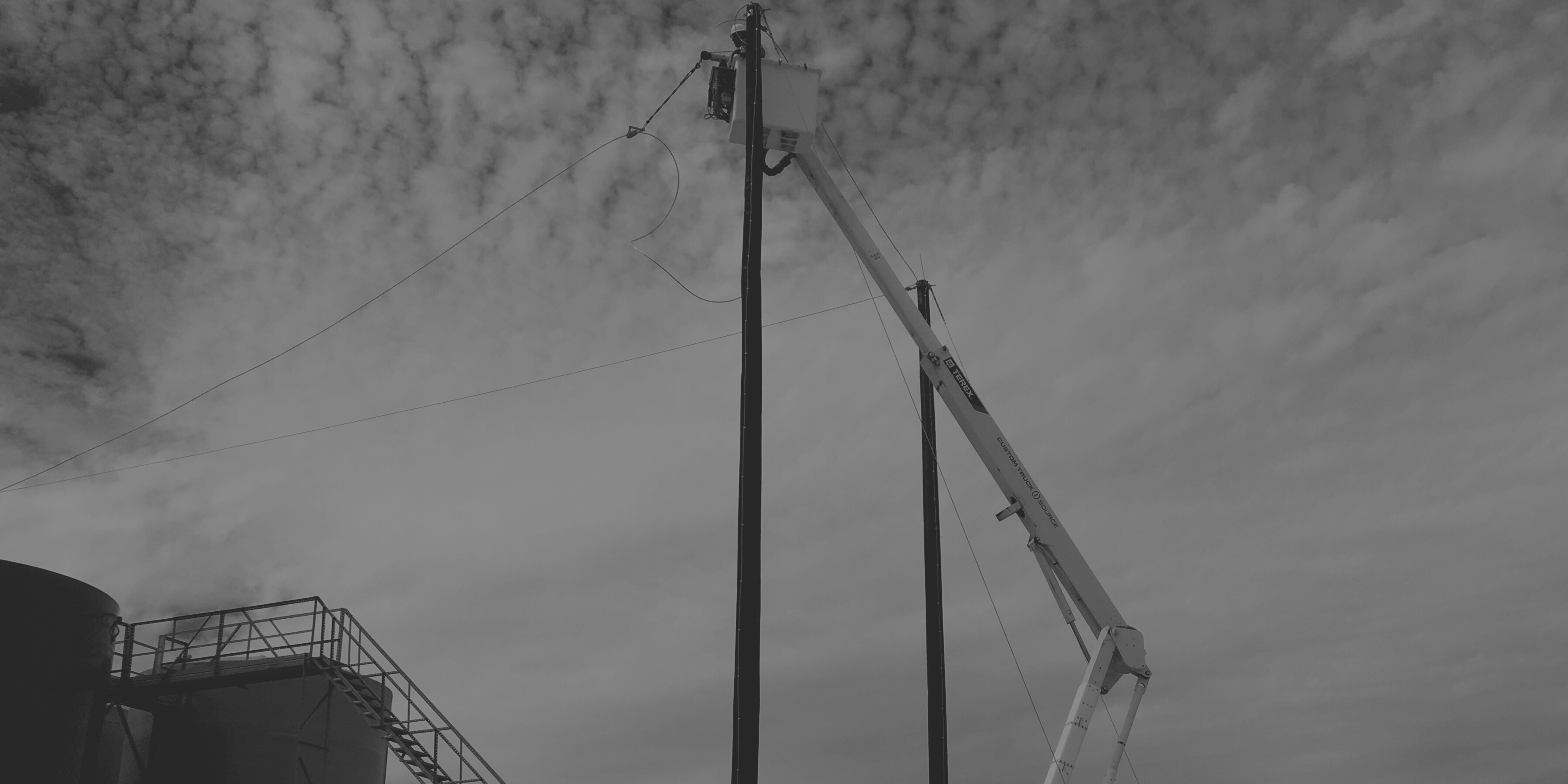
The definition of catenary is a curve formed by a wire, hanging freely from two points that are on the same horizontal level. So, in our case, a catenary lightning protection system over a tank battery, means there are two telephone poles on each side of the tank connected by a wire. Instead of a dissipation system where the terminals are vertical, think of catenary as a horizontal lightning air terminal. The system is elevated and the wire is about 15 ft above the highest point on the tank battery.
How does it work?
The system is elevated and the wire is 15 ft above the flash area (the flammable area). Flammable gasses can waft at least 10 ft into the air. So, the wire above intercepts a lightning strike before it reaches the combustion zone and redirects that energy into the ground.
Catenary systems are used in a variety of industrial and military settings, are often recommended, and have been proven safe and effective. The problem I have seen sometimes is with improper installs.
What does an improper catenary install look like?
There are three main issues I see out in the field. Let me preface by saying this, all installs should comply with UL96 and NFPA780 standards.
Now, the first issue I see a lot is that the wire is not at the proper height. Sometimes, it’s almost touching the tanks! If the wire isn’t high enough and droops into the flammable vapor space, those flammable vapors will likely combust in the event of a lightning strike. That wire needs to be at least 15 ft above the highest point on the tank battery. I will say, the wire can droop over time and mother nature can affect that. This is why it is critical to have sites inspected every six months.
The second issue is the way installers are grounding and bonding the wire. A lot of times installers aren’t running the lightning conductor down the pole. They also don’t have the correct Class 1 lightning conductor connecting the overhead wire to the ground. Additionally, they are looping the wire on top of the pole, which is standard on a traditional power line install. But that is not how it should be done for a catenary system over tanks. Loops don’t work because the lighting needs to go straight to the ground, it can’t go up to get down. Instead, you should continue the wire overhead to a sloping 90 degrees that hits the pole and goes to the ground. This 90 degree bend must maintain a minimum 8 inch radius bend. Think of a freight train trying to make a 90 degree turn… not going to happen. It has to be a smooth bend for lightning to travel. Almost all contractors installing lightning protection systems make tight 90 degree bends because that’s common on electrical systems and it looks really clean. This doesn’t work for lightning protection systems though.
Lastly, some installers don’t use the proper air terminals on catenary poles. We often see ground rods mounted on top of the poles to serve as lightning rods as a cost-saving measure. However, they are not an approved strike terminal device.